
Learning how to invest 1 lakh rupees in Pakistan in 2026 is not really a question about Rs 100,000. It is a question about what Rs 100,000 is for. The same amount parked in a savings account earns about Rs 875 a month before tax; split deliberately across four places, it earns roughly the same headline return but with monthly income you can actually spend, money you can withdraw in days, and a slice that can grow faster than inflation. The difference is not the amount. It is the split.
This guide gives you one concrete plan — the 40-30-20-10 split — with every rupee assigned, every return calculated from rates in force in November 2026, and the tax taken off before the number reaches you. No "top 10 options" list where you are left to guess the proportions. No promised returns. Just the arithmetic, the accounts you need to open, and the three traps that eat first-time investors alive.
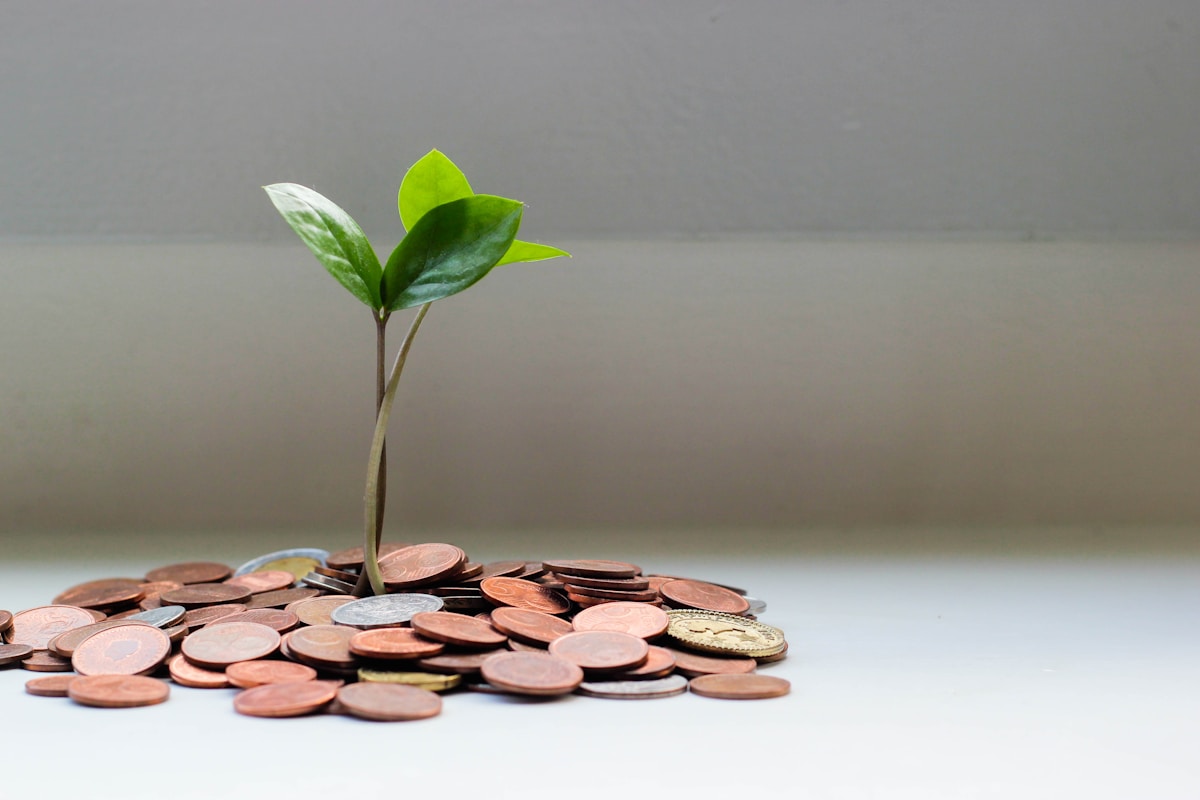
How to Invest 1 Lakh Rupees in Pakistan 2026: The Short Answer
If you want the plan in one table, here it is — how to invest 1 lakh rupees in Pakistan in 2026, using rates in force from 21 October 2026 (National Savings) and 1 November 2026 (bank savings):
| Slice | Where it goes | Amount | Expected return | What it pays a month |
|---|---|---|---|---|
| 40% — safe income | Regular Income Certificates (National Savings) | Rs 40,000 | 12.12% a year | Rs 404 before tax |
| 30% — liquid | Money market fund | Rs 30,000 | ~11% a year | ~Rs 275 before tax |
| 20% — growth | Sukuk (half) + PSX shares (half) | Rs 20,000 | ~11.7% / illustrative 15% | ~Rs 222 before tax |
| 10% — hedge | Gold | Rs 10,000 | No yield | Rs 0 — it is insurance, not income |
Total: about Rs 10,800 a year on Rs 100,000, or roughly Rs 900 a month before tax — around Rs 780 to Rs 800 a month after withholding tax for a filer. That is a blended return of roughly 10.8% a year, against inflation of 9.61% in October 2026. In other words, this plan does not make you rich. It keeps your money roughly level with prices, pays you a small monthly income, and keeps every rupee reachable. For a first Rs 100,000, that is the honest target — and the rest of this guide shows exactly how each slice works, what can go wrong with it, and how to change the split when your goal changes.
Before You Invest a Rupee: Two Questions
Two questions decide your split, and answering them wrong is how Rs 100,000 ends up in the wrong place.
Question one: when do you need this money back? Money you need within a year should not be in shares at all — the Pakistan Stock Exchange can fall 10% in a bad month, and a one-year horizon gives you no time to wait for recovery. Money you will not touch for three years or more can carry a bigger growth slice. The 40-30-20-10 split below assumes a horizon of one to three years: income now, growth later.
Question two: is your emergency fund already full? If you have no cash buffer, Rs 100,000 is not an investment — it is your emergency fund, and it belongs in a savings account you can empty tomorrow. The rule is three to six months of essential expenses before a rupee goes into anything with a lock-in. Our guide to building an emergency fund in Pakistan works out the exact amount for a household budget, and it is the step to finish before this plan. Investing while one hospital bill away from borrowing at 40% is not investing; it is gambling with a safety net you do not have.
There is also a third, unglamorous question: are you a filer? It matters more than the rate you pick. Profit on National Savings schemes is taxed at 15% for filers and 30% for non-filers; bank profit is taxed at 20% for filers and 40% for non-filers. On the Rs 40,000 Regular Income slice alone, a filer keeps Rs 343 a month and a non-filer keeps Rs 283 — a gap of Rs 720 a year on one slice, every year, for doing nothing except filing a return. If you missed the Tax Year 2026 deadline, the late-filer route is still open for a Rs 1,000 surcharge. Sorting your filer status first is the highest guaranteed return in this whole article.
The Rs 100,000 Plan: The 40-30-20-10 Split
Here is the split in full, with the arithmetic shown so you can check it on a calculator.
The safe 40% — Rs 40,000 in Regular Income Certificates at 12.12% — pays Rs 4,848 a year, or Rs 404 a month before tax. A filer keeps Rs 4,121 a year after the 15% withholding tax; a non-filer keeps Rs 3,394.
The liquid 30% — Rs 30,000 in a money market fund at roughly 11% — pays about Rs 3,300 a year, or Rs 275 a month before tax. Fund returns move daily, so treat this as an estimate, not a promise; October 2026's best large funds reported 11.29% to 11.36% for the month.
The growth 20% — Rs 20,000 split evenly — puts Rs 10,000 in government sukuk at about 11.7% (Rs 1,170 a year) and Rs 10,000 in PSX shares at an illustrative 15% (Rs 1,500 a year if the market cooperates — and it might not).
The hedge 10% — Rs 10,000 in gold — pays nothing. It is there because the rupee has a long habit of losing value against gold in bad years, and a first portfolio without any hedge is a bet that nothing will go wrong.
Add it up: Rs 4,848 + Rs 3,300 + Rs 1,170 + Rs 1,500 = Rs 10,818 a year before tax, or about Rs 900 a month. After withholding tax, a filer lands near Rs 9,400 a year — roughly Rs 785 a month. Keep that number in your head while reading the next sections, because each one explains where its piece of that Rs 785 comes from and what could shrink it.
If your goal is different, change the split, not the method. Need monthly income above all else? Move the growth 20% into Regular Income Certificates and the fund, and your monthly cheque rises to about Rs 950 before tax — but you give up any chance of beating inflation by more than a point. Saving for five years or more? Move 10% from the safe slice into shares, accept the bumps, and your expected return rises toward 12%. The method is always the same: assign every rupee a job, price the job with a real rate, then take the tax off.
The Safe 40%: National Savings Monthly Income
The backbone of this plan is the Regular Income Certificate from the Central Directorate of National Savings, and the reason is simple: it is the highest monthly-paying option open to every Pakistani, at a rate fixed when you buy. From 21 October 2026, RICs pay 12.12% a year, paid monthly, for a five-year term, with a minimum investment of Rs 50,000 — which is why the plan uses Rs 40,000 in RICs only if you can stretch the safe slice, or Rs 50,000 by trimming the fund slice to Rs 20,000. If Rs 50,000 is a hard floor you cannot reach, the National Savings Account pays 10% a year with a much lower minimum and no lock-in, and the Sarwa Islamic Savings Account pays an expected 11.84% monthly.
The maths on Rs 40,000 in RICs: 40,000 × 12.12% = Rs 4,848 a year, divided by 12 = Rs 404 a month. The profit is credited monthly, which is the whole point — this is the slice that pays the electricity bill. Compare it with a bank savings account at the 10.5% minimum in force from 1 November 2026: the same Rs 40,000 earns Rs 350 a month before tax, and the bank can revise its rate whenever it likes while your RIC rate is locked for five years.
Two warnings. First, Behbood Savings Certificates pay more — 12.96%, or Rs 1,080 a month per Rs 100,000 — but they are restricted to senior citizens aged 60 and above, widows, and persons with disabilities. If you qualify, use them instead of RICs and your safe slice pays Rs 432 a month on Rs 40,000. If you do not qualify, do not let anyone sell you a workaround; there is not one. Second, National Savings revises its rates often — Behbood alone changed seven times in 2026 — so confirm the rate card at a National Savings centre or on savings.gov.pk on the day you buy, and never invest on a rate somebody quoted you last month.
The Liquid 30%: Money Market Funds
The Rs 30,000 in the middle of the plan has one job: be available. A Regular Income Certificate locks your money for five years (early exit costs you profit), and shares take days to sell and settle. A money market fund sits in between — your money is invested in treasury bills and bank deposits, you can redeem it in one to three working days, and the return floats with the market instead of being fixed.
In October 2026, the best-paying large money market funds in Pakistan reported annualised returns of 11.36% (UBL Liquidity Fund) and 11.29% (UBL Cash Fund), with NBP's Islamic money market fund at 10.9% and HBL's at 9.34%. On Rs 30,000, an 11% return is Rs 3,300 a year, or Rs 275 a month — slightly ahead of a bank savings account at 10.5%, with the added advantage that fund returns are quoted after the management fee, so the number you see is close to the number you get.
Three things to know before you open a fund account. First, the return changes every day; October's 11.36% is a report, not a promise, and a fund can pay less next month if treasury bill yields fall. Second, the tax works differently from a bank account: gains on mutual funds face a 15% capital gains tax when you redeem, and dividends are taxed at 15% to 25% depending on the fund type — cheaper than the 20% withholding tax on bank profit for a filer, but not zero. Third, you invest through the asset management company itself — UBL Funds, NBP Funds, HBL Asset Management, Meezan's Al Meezan — with an account that opens online with your CNIC and bank details, and a minimum investment that is usually Rs 5,000 or less. Pick the fund by its last three months of reported returns, not its advertisement, and avoid any fund charging a front-end load on a Rs 30,000 investment — the load alone would eat a month of profit.

The Growth 20%: Sukuk and the Stock Market
The growth slice is where this plan earns its keep — and where it can lose money, so read the warnings before the numbers.
Half of it, Rs 10,000, goes into government sukuk. Sukuk are Shariah-compliant, government-backed, and in 2026 they pay real rates: the 10-year variable-rate government Ijarah sukuk from the 30 September 2026 auction priced at 11.6754%, the 5-year variable tranche reset to 11.8603%, and fixed-rate issues went out at 11% to 11.5%. You can buy them from Rs 5,000 through a PSX broker, a CDC Investor Account, or the secondary market — and overseas Pakistanis can buy through a Roshan Digital Account. Our sukuk guide explains the three buying routes step by step, including the non-competitive bid window that small investors use at auction. On Rs 10,000 at 11.7%, that is Rs 1,170 a year, with your principal backed by the government. It is the closest thing to a free lunch in this plan, and the reason it is only half the growth slice is that sukuk pay a fixed return — they protect you, they do not multiply you.
The other Rs 10,000 goes into Pakistan Stock Exchange shares, and here the honest number is a range, not a rate. The KSE-100 has delivered strong long-run returns, but a single year can be negative, and Rs 10,000 spread across two or three blue-chip shares or a single low-cost index-tracking fund is a learning investment as much as a financial one. At an illustrative 15%, it pays Rs 1,500 a year; at 0%, it pays nothing and your capital sits flat; at minus 15%, you have Rs 8,500 and a lesson. That is why the plan caps shares at 10% of the total — a bad year costs you Rs 1,500 of paper value, not your rent.
Opening a brokerage account is simpler than it used to be: a Sahulat account opens with just your CNIC through a licensed broker's app, and you can start with a single share. Two rules. First, clear any high-interest debt before buying a single share — a credit card charging 40% a year wipes out a 15% market return twice over. Second, buy what you understand: if you cannot explain in one sentence how a company makes money, you do not own it, you are guessing on it. Dividends on shares are taxed at 15% for filers, and capital gains at 15% as well — both cheaper than bank profit tax, which is one small reason shares belong in a long-term plan at all.
The Hedge 10%: Gold
Rs 10,000 in gold will not pay you a rupee of income, and that is exactly why it is in the plan. Gold is not an investment in the same sense as the other three slices; it is insurance against the years when the rupee falls, inflation jumps, or both happen at once. In those years the other slices struggle — fixed returns lose purchasing power, shares wobble — and gold is the one line in your portfolio that goes up.
Buy it properly or do not buy it at all. The cleanest route for Rs 10,000 is a small gold bar or coin from a reputable jeweller, with a proper receipt and a making-charges quote in writing before you pay — making charges on small pieces can eat 10% or more of your money on day one, which is why jewellery is a poor investment and bars are better. Avoid "gold schemes" and instalment plans that promise monthly gold at a discount; the discount is usually your money, repackaged. Our guide to buying gold in Pakistan for investment covers the purity checks, the receipt, and the storage question — and storage matters, because Rs 10,000 of gold in a drawer is Rs 10,000 a burglar can carry in a pocket. A bank locker or a home safe is part of the cost of this slice, not an afterthought.
How much gold is right? For a first Rs 100,000, 10% is enough. More than that and you own a lump of metal that pays nothing while your income slices shrink; less than that and the hedge is too small to notice when you need it.
What Not to Do With Rs 1 Lakh
Four traps, all of them popular, all of them expensive.
Do not leave it in a current account. A current account pays 0%. At 9.61% inflation, Rs 100,000 in a current account loses about Rs 9,600 of purchasing power in a year — you are paying the bank for the privilege of getting poorer. Even the laziest option in this plan, a savings account at 10.5%, beats it by Rs 10,500 a year.
Do not buy prize bonds as an investment. Prize bonds are a lottery ticket with your principal returned, not an investment. The expected return on a Rs 100,000 holding is far below any savings option, because most of the prize pool goes to a handful of winners. If you enjoy the draw, buy one bond for fun — not forty.
Do not chase "double your money" schemes. Anybody promising 20% a month, guaranteed, is describing a fraud with better marketing. The highest safe rate in Pakistan in November 2026 is 12.96% a year, restricted to seniors and widows. If a scheme offers three times that with no risk, the risk is that your money never comes back. The test is simple: if they cannot show you a State Bank or SECP licence, walk away.
Do not invest money you will need in three months. A wedding next quarter, a semester fee in January, a car down payment in March — that money is not an investment, it is a bill with a date on it. It belongs in a savings account or a money market fund, never in shares, never in a five-year certificate.
Frequently Asked Questions
How much monthly income will Rs 1 lakh give me in Pakistan in 2026?
About Rs 900 a month before tax on the 40-30-20-10 split in this guide, or roughly Rs 785 a month after withholding tax for a filer. If you put the whole Rs 100,000 in Regular Income Certificates at 12.12%, you get Rs 1,010 a month before tax (Rs 859 for a filer). If you put it all in a bank savings account at 10.5%, you get Rs 875 a month before tax.
Is Rs 1 lakh enough to start investing in Pakistan?
Yes. National Savings certificates start at Rs 500 to Rs 50,000 depending on the scheme, sukuk start at Rs 5,000, money market funds usually start at Rs 5,000 or less, and a PSX Sahulat account lets you buy a single share. The amount is not the barrier; the barrier is splitting it with a plan instead of putting it all in one place.
Which is better: National Savings or a bank savings account?
For monthly income, National Savings wins in November 2026: Regular Income Certificates pay 12.12% against a 10.5% bank minimum, the rate is locked for five years, and the withholding tax is lower (15% for filers against 20% at banks). Banks win on convenience — instant withdrawal, no separate visit to a National Savings centre — which is why the liquid slice of this plan sits in a fund rather than a bank.
Can I invest Rs 1 lakh without a bank account?
No, not practically. Every route in this plan — National Savings, a fund account, a brokerage account — needs a bank account for the money to come from and return to. If you do not have one yet, our guide to opening a bank account online in Pakistan covers the 20-minute process and the documents you need.
How do I start investing with 1 lakh rupees if I am a salaried person?
Open the accounts in this order: a bank account if you do not have one, a filer return if you are not one, a National Savings account for the safe slice, a money market fund account for the liquid slice, and a CDC-linked brokerage account for the sukuk and shares. If the Rs 100,000 came from a bonus, the salary budget plan for a Rs 150,000 salary shows how to protect the next bonus the same way instead of spending it twice.
Is investing Rs 1 lakh in the stock market safe?
No investment in shares is safe in the short term, which is why this plan limits shares to 10% of the total — Rs 10,000. Over three years or more, a diversified holding has historically recovered from falls; over three months, anything can happen. Never invest borrowed money, and never invest money you need within a year.
Where can I check my numbers before investing?
Run your own figures on the free calculators on our tools page before you commit a rupee — compound interest, monthly income, and tax on profit all change the answer, and five minutes with a calculator beats a year of regret.
---
Rates quoted are from the Central Directorate of National Savings rate card dated 21 October 2026, the State Bank of Pakistan policy rate of 12% in force from 26 October 2026, bank rate sheets effective 1 November 2026, and fund manager reports for October 2026. Rates change — confirm the current figure with the institution before you invest. This article is general information, not personal financial advice.
Need a website?
Let's build yours — in days, not months.
Our services
What WebStore Pro builds for businesses like yours
- Full Stack Web Development →
Complete websites and web applications built end to end — frontend, backend, database and admin panel — fast, secure and ready to grow.
- Business Website →
Professional company website with services, portfolio, contact forms and everything your brand needs online.
- Admin Panel →
Easy dashboard to add products, update prices and track orders yourself — no coding knowledge required.
- Payment Integration →
Stripe, PayPal, JazzCash and more — accept online payments securely with your own merchant account.
- WhatsApp Ordering →
Let customers order directly through WhatsApp with one tap — perfect for small businesses and local shops.
- SEO Basics →
Search-friendly structure, fast loading and proper meta tags so customers can actually find you on Google.